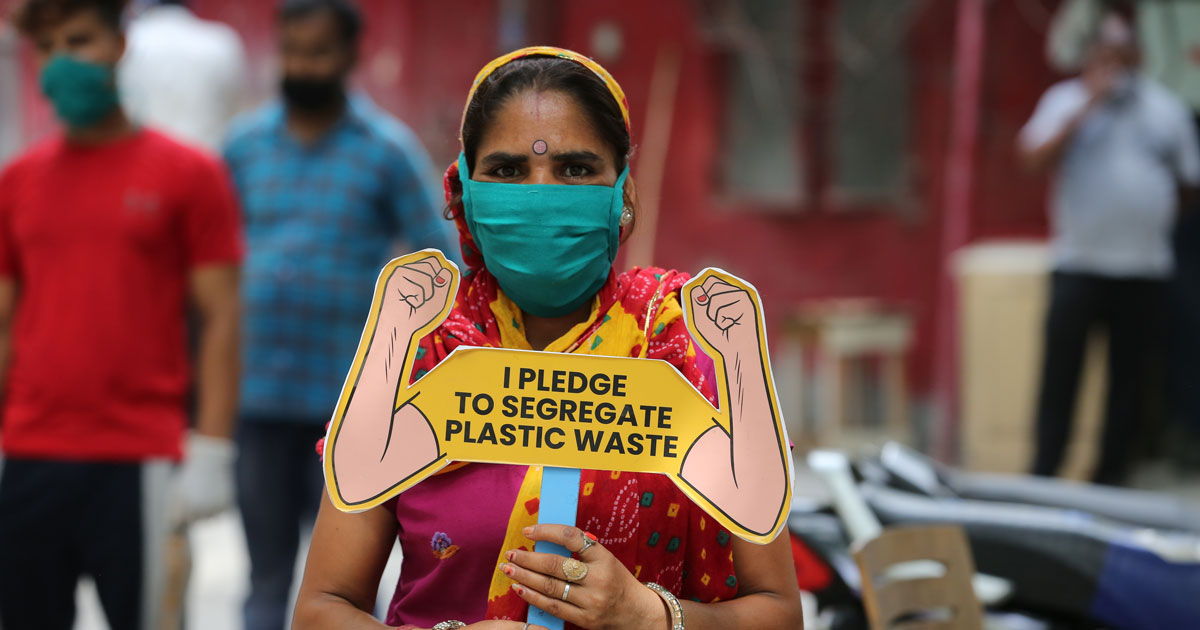
India’s Solid Waste Management Rules 2025: A Shift from Disposal to Accountability
India is preparing for a major overhaul in how waste is managed across the country. Building on the Draft Solid Waste Management (SWM) Rules 2024, the upcoming SWM Rules 2025 are expected to bring stricter compliance, improved tracking, and a strong push toward sustainability. These changes signal a transition from simple waste disposal to a more accountable and circular system.
Why the New Rules Matter
India generates millions of tonnes of waste every year, much of which ends up in landfills due to poor segregation and inefficient processing. The 2025 rules aim to tackle this issue at the source—by enforcing segregation, encouraging recycling, and holding both citizens and businesses responsible.
Key Highlights of the SWM Rules 2025
1. Mandatory Four-Way Waste Segregation
One of the most important changes is strict segregation at source, requiring households and businesses to divide waste into four categories:
- Wet Waste (Biodegradable): Food scraps, garden waste
- Dry Waste: Recyclable and non-recyclable materials like plastic, paper, glass
- Sanitary Waste: Diapers, sanitary pads
- Special Care Waste: Hazardous items such as batteries, paints, and e-waste
Failure to segregate waste properly may lead to penalties as enforcement becomes stricter.
2. Expanded Definition of Bulk Waste Generators (BWGs)
The new rules widen the scope of Bulk Waste Generators, which now include:
- Residential societies above 5,000 sq. meters
- Hotels, malls, hospitals, and large institutions
These entities must:
- Register on digital platforms
- Process their wet waste on-site through composting or biomethanation
- Ensure minimal waste is sent to landfills
3. Extended Producer Responsibility (EPR) Goes Further
The concept of Extended Producer Responsibility (EPR) is being strengthened and expanded.
Manufacturers will now be responsible for:
- Collection and recycling of their products after use
- Managing waste from materials such as aluminum, copper, and zinc
This shift ensures that producers are accountable for the full lifecycle of their products.
4. Digital Compliance: From “Bins to Barcodes”
A key innovation in the new framework is digital waste tracking. Authorities plan to introduce systems that monitor waste movement using technology—often referred to as “bins to barcodes.”
This will:
- Improve transparency
- Reduce illegal dumping
- Enable real-time monitoring and reporting
5. Incentivizing Recycling through Certificates
To promote a circular economy, the rules introduce recycling certificates that can be traded or exchanged.
- Waste generators and recyclers can earn credits
- Encourages better waste handling practices
- Creates economic value from recycling efforts
6. Waste Management for Events
Organizers of events with more than 100 attendees must:
- Inform local authorities in advance
- Ensure proper waste segregation at the venue
- Arrange responsible disposal or recycling
This step aims to reduce the environmental impact of large gatherings.
7. Introduction of User Fees
Urban local bodies may implement user charges for waste collection and processing services. This encourages responsible waste generation and helps fund better infrastructure.
What This Means for Different Stakeholders
For Households
- You must strictly segregate waste into four categories
- Non-compliance may lead to penalties
- Responsible disposal becomes part of daily life
For Businesses and Institutions
- Registration and compliance requirements will increase
- Bulk waste generators must process waste on-site
- Regular monitoring and reporting will be mandatory
For Producers and Manufacturers
- Greater responsibility for product lifecycle management
- Mandatory recycling targets
- Increased compliance costs—but also opportunities in circular economy models
The Bigger Picture: From Cleanup to Prevention
The SWM Rules 2025 represent a fundamental shift in India’s waste management strategy—from cleaning up waste to preventing it at the source.
With stricter enforcement, digital monitoring, and shared responsibility across citizens, businesses, and producers, the new rules aim to:
- Reduce landfill dependency
- Boost recycling rates
- Promote sustainable consumption
- Build a circular economy
Final Thoughts
India’s upcoming waste management regulations are not just policy updates—they are a call for behavioral change. Whether you are a household, a business owner, or a manufacturer, adapting to these rules will be essential.
The success of SWM Rules 2025 will ultimately depend on how well all stakeholders participate in this collective effort toward a cleaner and more sustainable future.